







Description
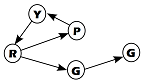
Pyrgg is a synthetic random graph generator written in Python. It creates random graphs of different sizes and writes them in several graph file formats, including DIMACS .gr files, which many graph tools read. The output is meant as input for testing, benchmarking and performance analysis of graph processing frameworks, and the site says it can serve other applications as well. You can install version 2.0 with pip, using pip install pyrgg==2.0, or download a Windows executable or the source code as a zip or tar.gz archive. The project is described in a 2017 paper in the Journal of Open Source Software, and the site provides a BibTeX entry for researchers who want to cite it.…
Highlights
- Generates random synthetic graphs of different sizes
- Writes DIMACS .gr and other graph file formats
- Install with pip or download the Windows executable
- Built for testing and benchmarking graph frameworks
- BibTeX citation for research use
Ratings & Reviews
No ratings yet
Be the first to rate Pyrgg.
People also visit
Pyrgg FAQ
What does Pyrgg generate?
Synthetic random graphs of different sizes, saved in file formats such as DIMACS .gr files.
How do I install it?
Run pip install pyrgg==2.0, or download the Windows executable or the source archive from the project page.
What is it for?
The site says the generated files are for testing, benchmarking and performance analysis of graph processing frameworks.
Can I cite it in research?
Yes. The site lists a BibTeX entry for the 2017 Journal of Open Source Software paper on Pyrgg.
What are the best Pyrgg alternatives?
Popular alternatives to Pyrgg include Graphia, Graphisual and MakeGraph. See all Pyrgg alternatives