Open source alternatives to External DNS
50 open source Developer Tools apps to use instead, best rated first.
Top picks
- N

NocoDB
LaunchConvert any database into a no-code platform with spreadsheet interface. Connect PostgreSQL/MySQL or use hosted database. Scale to millions of rows effortlessly.
- C

Coolify
LaunchCoolify is an open-source, self-hosted platform that lets you deploy applications, databases, and services on your own hardware or VPS. It supports Docker, static sites, and various frameworks with automatic SSL, Git integration, and one-cl
- I
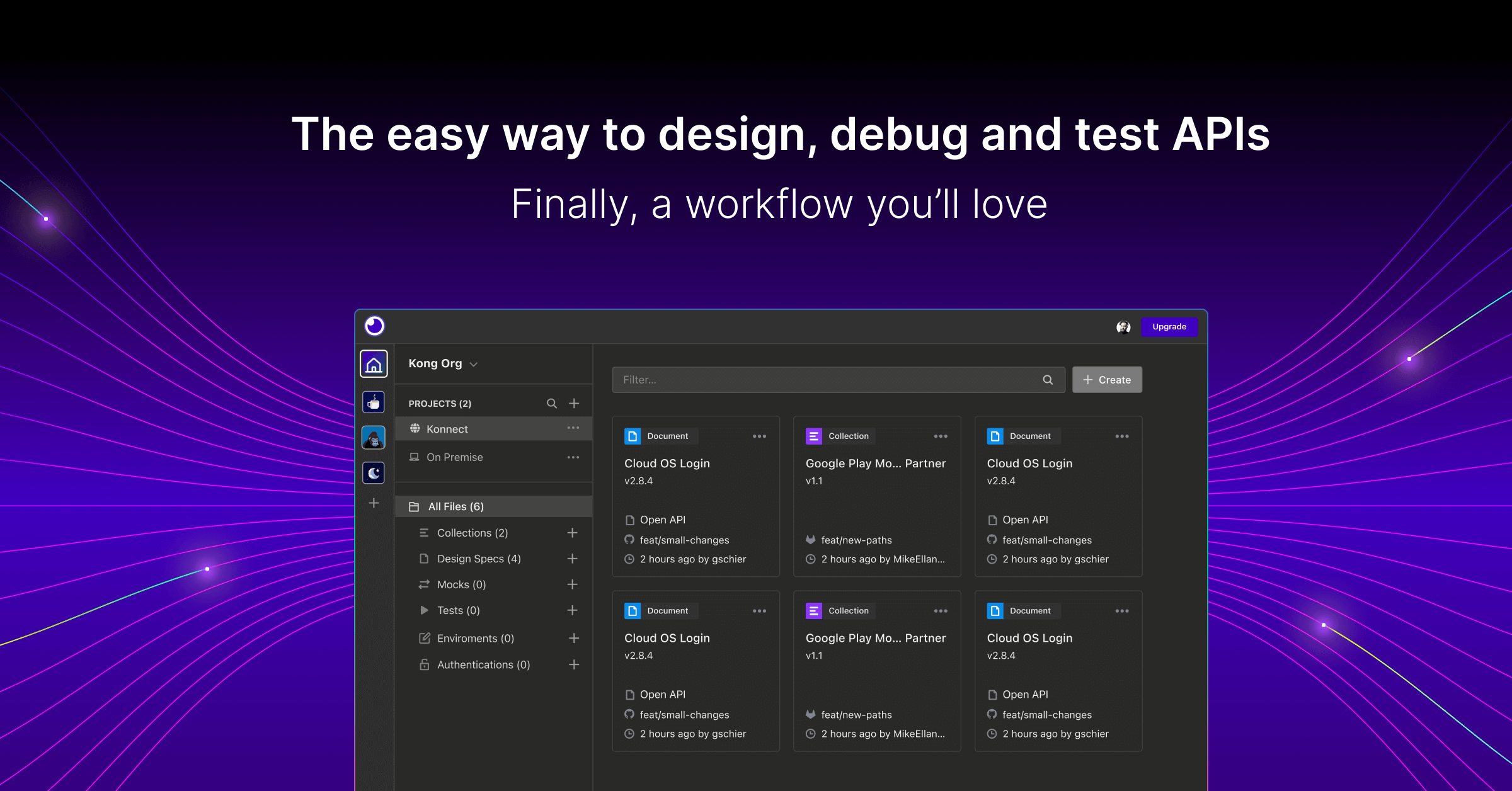
Insomnia
LaunchIntuitive API client for REST, GraphQL, and gRPC. Debug, test, and collaborate on APIs with ease across platforms.
- J

Joplin
LaunchCross-platform note-taking app with end-to-end encryption, Markdown support, web clipping, and sync via Dropbox, OneDrive, or Joplin Cloud.
- M

Minio
LaunchMinIO is high-performance object storage that is fully compatible with Amazon S3, and its current enterprise product, AIStor, is built as a data and memory foundation for AI and analytics. It runs anywhere (edge, data center or cloud), stor
- P

Payload CMS
LaunchPayload CMS is a self-hosted, code-first content management system that gives developers full control over their data structure and admin UI. It combines a powerful API, flexible authentication, file uploads, and localization out of the box
Self-hosted
More Developer Tools apps











.png?auto=compress&fit=max&w=128)




















Paperless-ngx
Scan, index, and archive all of your paper documents with an improved interface




About External DNS

External DNS
Configure external DNS servers dynamically from Kubernetes resources
ExternalDNS is a controller for Kubernetes that keeps DNS records in sync with your cluster. It watches Services of type LoadBalancer and Ingresses, and it writes matching records to DNS providers such as AWS Route 53 and Google Cloud DNS. It is not a DNS server itself. Instead, it configures existing DNS providers so that resources become reachable by name. You choose which zones it manages with a domain filter, and you can set a unique TXT owner ID so that it only changes records it created. A dry-run mode shows the changes it would make without calling the provider API. Each resource can be given a DNS name with an annotation, and the record TTL can be customized the same way. The project maintains a list of built-in providers and webhook providers, and it can also be run locally to test a configuration. It is part of Kubernetes SIGs, the special interest groups that maintain Kubernetes-related projects.
- Price
- Free
- Made by
- kubernetes-sigs
- Category
- Developer Tools
- Website
- github.com/kubernetes-sigs/external-dns